
Fabric Blinds Curtain Rods Window Treatments Trims & Tassels Wallpaper
1-800-590-5844
Should You Reupholster or Buy New?
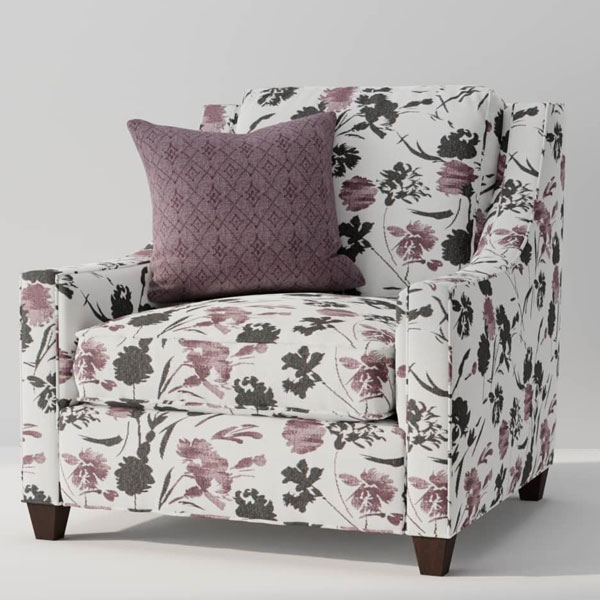 Reupholstering is usually worth it when your furniture has a strong, well-built frame, is comfortable, fits your room, or has sentimental value — older pieces are often better made than inexpensive new furniture, so recovering them can be the smarter long-term choice. It makes less sense when the frame is badly damaged, the piece is uncomfortable, or the cost adds up to more than the furniture is worth to you. This guide walks you through the decision, how to find a good upholsterer, and the questions to ask before you start.
Wondering about fabric amounts? As a rough starting point, a three-cushion sofa needs about 10–18 yards of 54-inch fabric and an armchair about 5–8 yards — but see our full Upholstery Yardage Chart for details, and remember the person doing the work should always make the final estimate before you order.
Why Reupholster Instead of Buying New?
Reupholstery can be a good choice when:
- The furniture has a strong, well-built frame.
- The piece is comfortable and fits your room.
- It has sentimental or family value.
- You want a fabric or color that is difficult to find on new furniture.
- The older furniture is better built than many inexpensive new pieces.
- You want to keep a usable piece of furniture out of the landfill.
Reupholstery may not be the best choice if the frame is badly damaged, the furniture is uncomfortable, or the total cost is more than the piece is worth to you.
Finding an Upholsterer in Your Area
Start by searching for:
- Furniture upholstery shops
- Furniture repair businesses
- Custom workrooms
- Interior designers who recommend local upholsterers
Look at photos of their previous work and read recent customer reviews. Upholstery is skilled work, so the lowest price is not always the best choice.
Questions to Ask Before You Hire
- Do you accept customer's own material? This is sometimes called COM.
- Will you calculate the final yardage before I order?
- Will I need extra fabric for pattern matching?
- Do you work with this type of furniture?
- Are frame, spring, or cushion repairs included?
- Do you offer pickup and delivery?
- What is the estimated labor cost and completion time?
What Affects How Much Fabric You'll Need
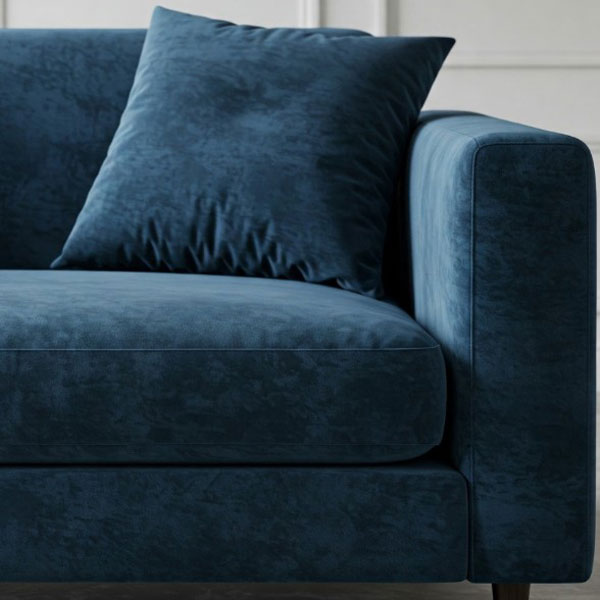 Once you have decided to reupholster, your upholsterer will estimate the fabric. A few things change the amount:
Furniture Size and Style
A large sofa needs more fabric than a small loveseat. Extra cushions, skirts, tufting, oversized arms, and tall backs also require more material.
Fabric Width
Most upholstery fabric is about 54 inches wide, but some fabrics are wider or narrower. Fabric width affects how many pieces can be cut from each yard.
Pattern Repeat
A solid fabric is usually easier to cut with less waste. A floral, stripe, plaid, or geometric pattern may require extra fabric so the pattern can be matched across cushions, seams, and furniture sections. The larger the repeat, the more extra fabric may be needed.
Pattern Direction
Some patterns have a clear top and bottom. The upholsterer must cut every piece facing the correct direction, which can add to the yardage.
Railroading
Normally, upholstery fabric runs from the top of the furniture toward the floor. When a fabric is railroaded, it is turned sideways so it can run across a long sofa back without a seam. Not every fabric or pattern can be railroaded, so check the fabric specifications before ordering. Need to visualize what railroaded fabric is? Check out this how-to article >
Before You Order Fabric
Ask your upholsterer for a final yardage amount. Then confirm:
- Fabric width
- Horizontal and vertical repeat
- Pattern direction
- Whether the fabric can be railroaded
- Whether extra yardage is needed for matching
It is also best to order all the fabric at one time so it comes from the same dye lot.
Our yardage chart can help you begin planning, but your upholsterer has the final word. Once you have their estimate, we can help you understand the fabric specifications, order samples, and find the right upholstery fabric for your project.
Shop Upholstery Fabrics Order Fabric Samples Upholstery Yardage Chart
Reupholstering Questions
Is it worth reupholstering a sofa?
Reupholstering is usually worth it when the piece has a strong, well-built frame, is comfortable, fits your room, or has sentimental value. Older furniture is often better built than inexpensive new pieces, so recovering it can be the smarter long-term choice. It is less worthwhile if the frame is badly damaged, the piece is uncomfortable, or the total cost is more than the furniture is worth to you.
Is it cheaper to reupholster or buy new furniture?
It depends on the fabric and the labor. Reupholstering a solid, quality frame in a good fabric can cost less than replacing it with comparable new furniture — and lasts longer than a cheap new piece. Recovering a low-quality frame or choosing a very expensive fabric can cost more than buying new. Get a labor quote and a fabric estimate before deciding.
How do I choose a good upholsterer?
Look for furniture upholstery shops, furniture repair businesses, or custom workrooms, and ask interior designers for local recommendations. Review photos of their past work and recent reviews. Upholstery is skilled work, so the lowest price is not always the best choice. Confirm they accept your type of furniture and will calculate final yardage before you order fabric.
What questions should I ask an upholsterer before hiring?
Ask whether they accept customer's own material (COM), whether they will calculate final yardage before you order, whether you will need extra fabric for pattern matching, whether they work with your type of furniture, whether frame, spring, or cushion repairs are included, whether they offer pickup and delivery, and their estimated labor cost and completion time.
What does COM mean in upholstery?
COM stands for Customer's Own Material — you supply the fabric and the upholsterer or workroom applies it. Ask whether a shop accepts COM before you buy fabric for a project.